
Maui is the second-largest island in Hawaii, but it punches well above its size when it comes to variety. You can stand on a 10,023-foot volcanic summit at dawn, snorkel above a submerged crater by mid-morning and watch humpback whales breach from a beach chair by afternoon all on the same island, all within the same day. Most visitors spend their entire trip in Wailea or Ka’anapali without realizing that the things to do in Maui extend far beyond resort pools and beachside cocktails. This guide covers the island’s essential experiences, the ones tourists frequently skip, exact costs and the specific seasonal windows that separate a good Maui trip from a great one.
In This Guide You Will Find:
- How to drive the Road to Hana without getting stuck in traffic or missing the best stops
- The exact cost of snorkeling Molokini Crater and which operator gives you the best value
- Why Haleakalā sunrise requires a $1 reservation booked 60 days in advance and how to secure it
- The three-month whale watching window (December through February) when sightings are almost guaranteed
- What most tourists miss in Iao Valley State Park open again after years of flood repairs
- Practical advice on car rental, timing and how to avoid the mid-morning crowds at every major site
Quick Info
| Detail | Info |
| Location | Maui, Hawaii, USA |
| Nearest Airport | Kahului Airport (OGG) 3 miles from Kahului town |
| Best Time to Visit | April through June and September through November |
| Travel Time from Honolulu | 35-minute flight no direct ferry service |
| Days Recommended | 5 to 7 days minimum |
| Average Daily Cost | $200–$350 per person including accommodation, meals and one activity |
Top Outdoor Things to Do in Maui Haleakalā and the Road to Hana
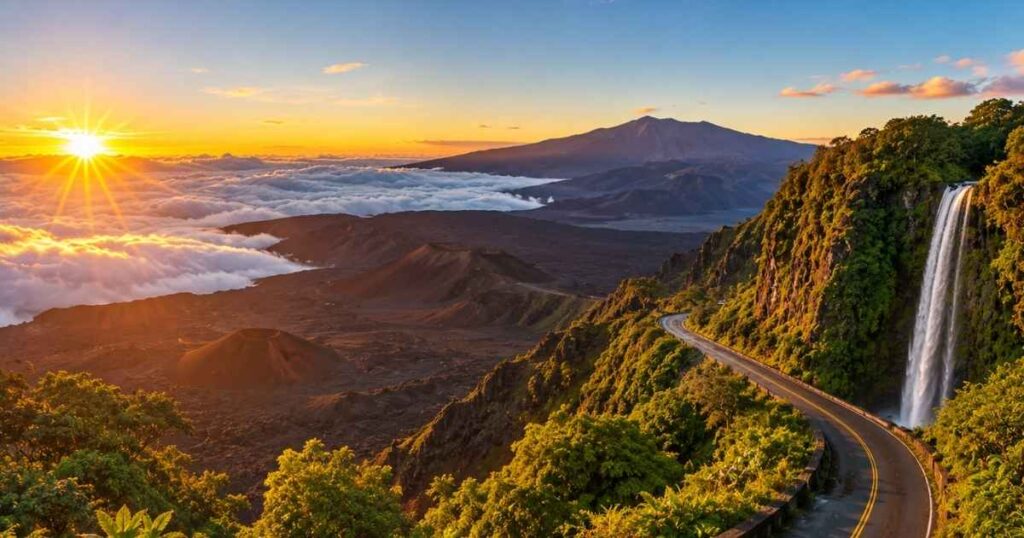
The two most iconic outdoor things to do in Maui both require early starts and some advance planning, but neither one disappoints. Haleakalā National Park sits at 10,023 feet above sea level the summit drive from Kahului takes about 90 minutes and watching the sunrise from above the clouds is the experience most visitors rank as the highlight of their entire trip. The park entrance fee is $30 per vehicle for a 3-day pass, but if you want to arrive for sunrise between 3:00 AM and 7:00 AM, you also need a $1 sunrise reservation booked through Recreation.gov. These reservations open 60 days in advance and sell out weeks ahead during peak season, so book as early as your travel dates allow. Bring layers temperatures at the summit drop to near-freezing even in summer and the wind makes it feel colder.
The Road to Hana is Maui’s other unmissable outdoor experience. The Hana Highway runs 64 miles from Kahului along the northeastern coastline, passing more than 50 one-lane bridges, rainforest waterfalls, black-sand beaches and bamboo groves before reaching Hana town. The drive itself takes 2.5 hours without stops, but most visitors dedicate a full day and turn it into a 10–12 hour experience. Leave Kahului by 7:00 AM to beat the tour buses that arrive at Twin Falls and other early stops by 10:00 AM. Waʻiānapanapa State Park, home to Maui’s famous black-sand beach now requires a day-use reservation at $5 per person plus $10 per vehicle, booked online in advance. The Pipiwai Trail at the Kīpahulu end of the road winds 2 miles through a bamboo forest to Waimoku Falls and costs $20 to enter the Kīpahulu District of Haleakalā National Park.
Pro Tip: Download your navigation route offline before leaving Kahului. Cell service disappears past Haiku and stays unreliable for most of the Road to Hana drive most visitors discover this at the worst possible moment.
Things to Do in Maui on the Water Snorkeling, Whale Watching and Beach Days
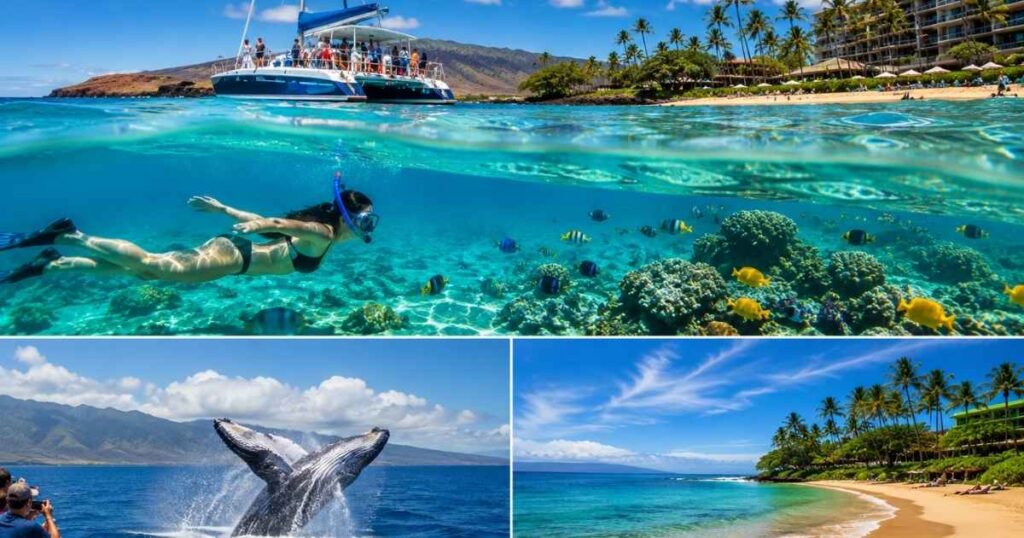
Water-based things to do in Maui consistently rank among the most memorable experiences on the island and the variety goes well beyond floating on Kaanapali Beach. Molokini Crater is a partially submerged volcanic caldera sitting 2.5 miles off Maui’s southern coast and snorkeling inside it gives you visibility down to 75 feet in calm, protected water with over 250 species of fish. Tours depart from Maalaea Harbor and most half-day trips include a second stop at Turtle Town, where green sea turtles feed on the reef. Prices start around $150 per adult for a catamaran tour one of the most competitive options is the Malolo tour starting at $149.95 per person, which includes continental breakfast, a deli lunch and all snorkel gear.
Ka’anapali Beach on the northwest coast gives you a 3-mile stretch of white sand that faces directly west it is where most resort activity concentrates and rightly so. Snorkeling directly off the north end of Ka’anapali at Black Rock (Pu’u Keka’a) costs nothing and puts you in the water with sea turtles without needing a boat. Whale watching is one of the most extraordinary things to do in Maui between December and March, when thousands of North Pacific humpback whales migrate to the Maui Nui Basin to give birth and mate. From the beach at Ka’anapali, you can see whales breaching without booking any tour at all but a dedicated whale-watching cruise gets you within 100 yards of the animals and gives you 2 hours of sightings. Operators like Pacific Whale Foundation run whale-watching tours from Maalaea Harbor starting at around $45 per adult.
Pro Tip: Book your Molokini snorkel tour for the earliest available departure usually at 7:00 AM. The crater gets progressively windier and choppier after 10:00 AM and the first boats out get the clearest water and the fewest other snorkelers in the crater at the same time.
Cultural and Land-Based Things to Do in Maui Most Tourists Skip
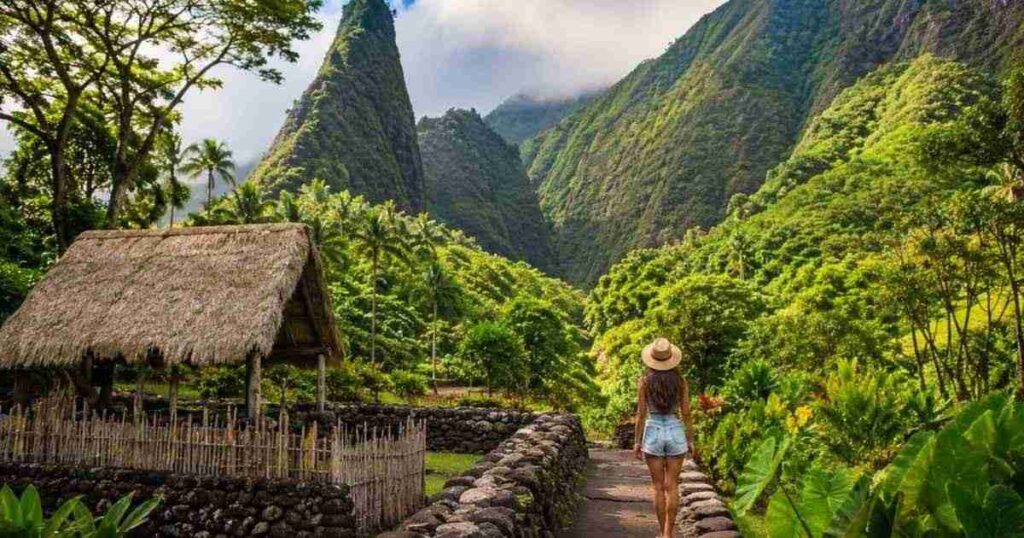
The things to do in Maui that see the fewest tourists often deliver the sharpest memories. Iao Valley State Monument reopened in 2024 after years of closure following flood damage to the parking lot and infrastructure. The valley holds the Iao Needle, a 1,200-foot erosion rock formation rising from the valley floor and the 0.6-mile paved trail to the observation deck passes waterfalls and a botanical garden. The site sits just 3 miles from Kahului Airport, charges a small entrance fee and takes about 90 minutes to explore properly most visitors drive past it on the way to the airport and never stop. The Upcountry Farmers Market in Kula runs on Saturdays from 7:00 AM to 11:00 AM and sells Maui-grown fruit, coffee, flowers and prepared food at prices well below any resort restaurant.
A traditional Hawaiian luau is one of the things to do in Maui that earns its reputation. The Old Lahaina Luau, which reopened in 2024 after the devastating 2023 Lahaina fires, has been running since 1996 and sits at the top of most local recommendations for authentic Polynesian cultural experience. Tickets typically run $150–$175 per adult and include a traditional kalua pig feast, hula performances and fire knife dancing with ocean views. Te Au Moana at the Wailea Beach Marriott is the Wailea-area alternative, with an oceanfront setting and a self-service buffet format. Most visitors stick to resort-organized activities and miss the Maui Ocean Center at Maalaea, the largest tropical reef aquarium in the Western Hemisphere, with a walk-through tunnel that puts you face-to-face with hammerhead sharks and manta rays. Admission runs around $35 per adult and gives you 2–3 hours of exhibits.
Pro Tip: Visit Iao Valley State Monument first thing in the morning. The valley fills with cloud cover and rain by early afternoon on most days and the trail becomes slippery. A 7:30 AM arrival gives you the best light and dry conditions.
Practical Tips for Things to Do in Maui Timing, Costs and Getting Around
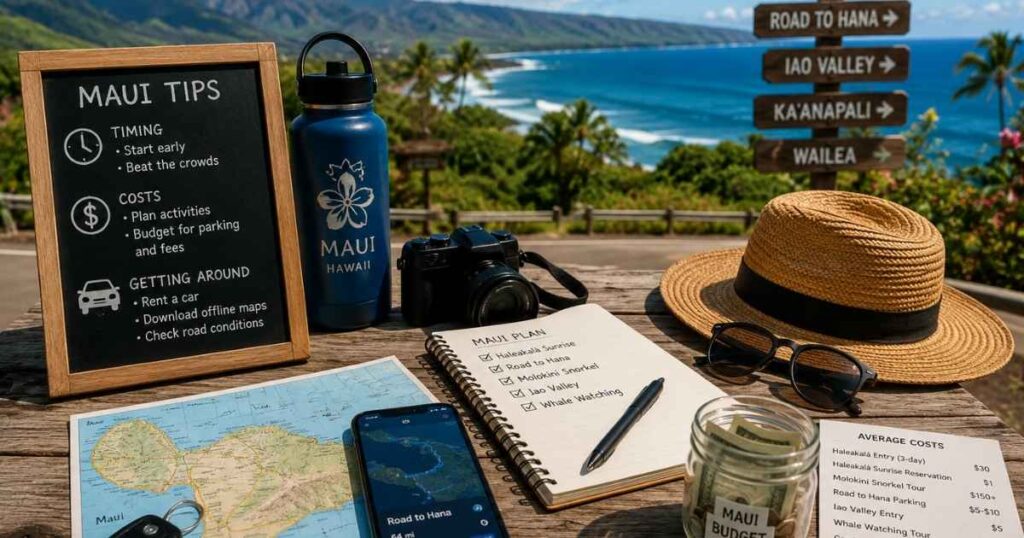
A rental car is non-negotiable for accessing the best things to do in Maui. Public transportation covers Kahului and a few main corridors, but the Road to Hana, Haleakalā, Polipoli Springs and most north shore beaches require your own vehicle. Budget $60–$100 per day for a standard sedan rental; book at least 2–3 months ahead if you travel between June and August or during the Christmas holiday period, when inventory runs low and prices spike. Check your rental agreement carefully before driving to the Hana Highway back road or the Haleakalā summit. Some companies restrict both routes and damage on those roads comes out of your pocket.
The best months for most outdoor things to do in Maui are April through June and September through November. These shoulder season windows give you drier weather on the west and south coasts, fewer crowds at popular sites and lower accommodation prices compared to peak summer and winter holiday periods. July and August deliver the most reliable beach weather but also the highest visitor numbers and Haleakalā sunrise reservations become nearly impossible to secure within 30 days of travel. January through March is whale season if seeing humpback whales is a priority, this is the window. Most oceanfront restaurants in Wailea charge $30–$55 per person for dinner. You can eat well at food trucks near Kahului for $12–$18 per meal. The one expense most first-timers underestimate is the combination of Haleakalā entry ($30), Road to Hana stops ($25–$40) and a Molokini snorkel tour ($150+) budget at least $250–$300 per person for activities across a 5-day trip.
Pro Tip: Ululani’s Shave Ice in Kahului and Lahaina is genuinely one of the best food experiences on the island not a tourist trap. Order the liliko’i (passion fruit) flavor with sweetened condensed milk for $7–$9. The line moves fast even when it looks long.
You may also like:
Best Things to Do in Kona Hawaii
Best Things to Do in Holualoa , Hawaii
17 Unique Things to Do in Kona, Hawaii That Most Tourists Never Find
Frequently Asked Questions
How many days do you need in Maui?
Plan at least 5 to 7 days to cover the main things to do in Maui without rushing. Five days gives you one full day each for the Road to Hana, Haleakalā, a snorkel tour, a beach and cultural day and a west Maui drive. Any fewer days and you end up skipping either the Road to Hana or Haleakalā, both of which require a full day each.
What is the best time of year to visit Maui?
April through June and September through November are the best months to visit Maui for a combination of good weather, smaller crowds and lower prices. December through March brings the best whale watching but also the highest hotel rates. July and August offer reliably dry beach weather but pack the most visitors into the island.
Is Maui expensive for tourists?
Maui is one of the more expensive Hawaiian islands, with hotel rooms in Wailea and Ka’anapali averaging $400–$700 per night during peak season. You can reduce costs significantly by staying in Kihei or Kahului, eating at food trucks rather than resort restaurants and choosing free activities like Black Rock snorkeling, Iao Valley and Polipoli Springs hiking over paid tours.
Are the things to do in Maui better than Oahu?
Maui offers more variety in outdoor and nature-based things to do compared to Oahu, with quieter beaches, fewer crowds on hiking trails and the Road to Hana as a unique experience that Oahu cannot match. Oahu offers more nightlife, better public transportation and more budget accommodation options. First-time Hawaii visitors who prioritize natural landscapes and water activities consistently rank Maui above Oahu.
Can you visit Maui after the Lahaina fires?
Yes Maui is fully open for tourism and the broader island is completely unaffected by the 2023 Lahaina fires. The fire impacted Lahaina town specifically and while reconstruction is ongoing, the Old Lahaina Luau has reopened and most tourism infrastructure in Lahaina is operating again. All major things to do in Maui including the Road to Hana, Haleakalā, Molokini and Ka’anapali Beach are fully accessible and operating normally.
Final Thoughts
The things to do in Maui earn their reputation because the island genuinely delivers on multiple levels at once volcanic summits, coral reefs, rainforest drives and whale migrations all within a 46-mile-wide island. No other Hawaiian island packs this combination of terrain and activity into such a manageable geography. The visitors who get the most out of Maui are the ones who plan at least one early morning (Haleakalā or the Road to Hana), book their Molokini tour in the first two days and leave one afternoon unscheduled for exploring Upcountry Maui at their own pace. Start with the Haleakalā sunrise reservation on Recreation.gov the moment your travel dates are confirmed it is the one booking on the island that sells out fastest and leaves the most regret when missed.

