
Most visitors drive through Carmel-by-the-Sea in twenty minutes, snap a photo of a fairy-tale cottage and leave without ever finding the real town. That’s the mistake. The real list of things to do in Carmel-by-the-Sea sits down side streets with no signage, inside galleries that don’t advertise and on a beach staircase that most tourists walk right past. This guide covers exactly where those spots are what they cost and when to go.
Carmel-by-the-Sea sits on California’s Central Coast, about 120 miles south of San Francisco and 5 miles south of Monterey. The town covers roughly one square mile, which means almost everything worth doing is reachable on foot. That compact size is exactly why a short visit can still feel complete, as long as you know which things to do in Carmel-by-the-Sea are worth your limited hours.
In this guide you will find:
- Where to find Carmel Beach’s quietest stretch and the best time of day to walk it
- Which art galleries on Dolores Street are worth an hour and which to skip
- How much wine tasting actually costs in the tasting rooms scattered through town
- The one coastal trail locals use that most visitors never discover
- Where to eat without paying tourist-trap prices
- How many days you actually need to cover the best things to do in Carmel-by-the-Sea
Quick Info
Location: Carmel-by-the-Sea, Monterey County, California
Nearest Airport: Monterey Regional Airport (MRY), 8 miles (about 15 minutes by car)
Best Time to Visit: Late September to early November or April to May for fewer crowds
Travel Time from San Francisco: About 2 hours 15 minutes by car (120 miles)
Days Recommended: 1 to 2 days or 3 days if combining with Big Sur and Monterey
Average Daily Cost: $150–$250 per person (meals, wine tasting and parking lodging not included)
Explore Carmel Beach and the Coastal Bluffs
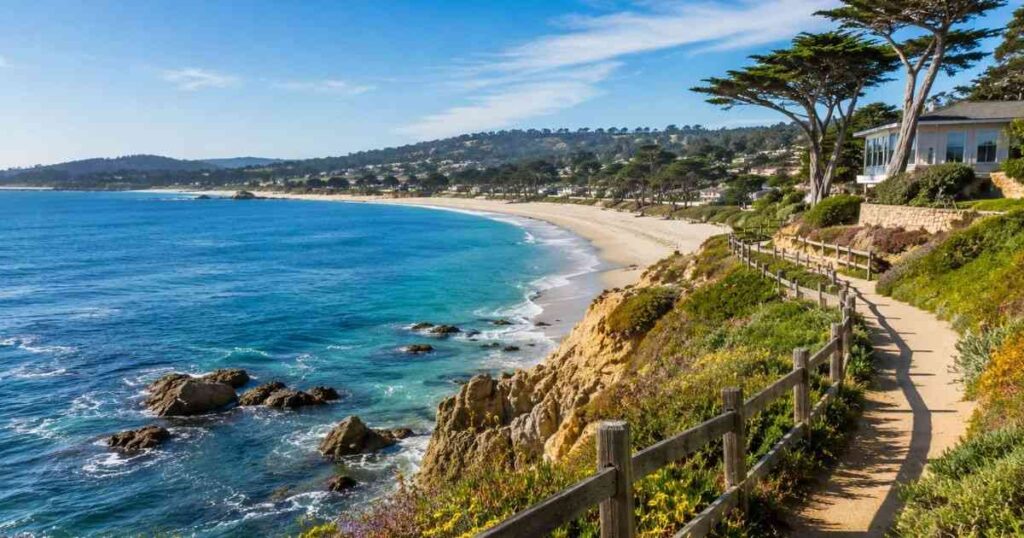
Carmel Beach is the anchor for almost every list of things to do in Carmel-by-the-Sea and for good reason. The half-mile stretch of white sand runs from the foot of Ocean Avenue north toward the Carmel River mouth, backed by Monterey cypress trees that lean sideways from decades of wind. Sunset here happens without the marine layer that fogs in San Francisco most summer evenings, so June through September mornings tend to be clearer than the afternoons. Dogs run off-leash legally on this beach, which surprises first-time visitors who expect the usual coastal restrictions.
Walk south along Scenic Road and you’ll reach the coastal bluffs above Carmel River State Beach, a quieter stretch most day-trippers skip entirely. The path is a mile and a half round trip and takes about 40 minutes at a relaxed pace, with benches every few hundred feet facing directly out to Point Lobos. Arrive between 4 and 5 p.m. from October through March to catch the clearest light, since the fog rolls in later during winter months. Parking along Scenic Road is free and rarely full outside of July and August weekends.
Pro Tip: Skip the main beach entrance at Ocean Avenue and park instead near 10th Avenue, where the crowds thin out but the sand stays just as wide. This stretch alone accounts for a good share of the things to do in Carmel-by-the-Sea that keep visitors coming back for a second trip.
Browse the Art Galleries and Historic Cottages
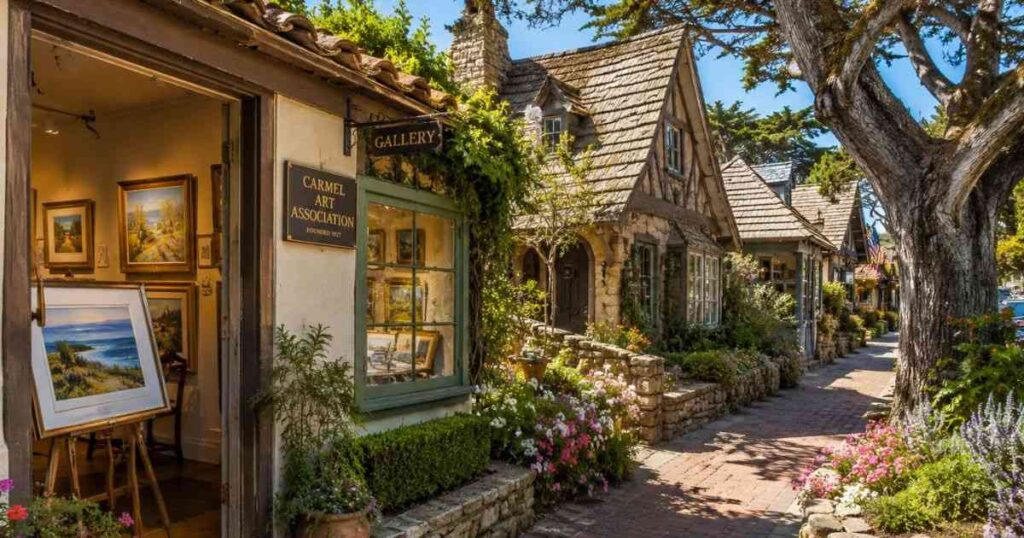
Carmel-by-the-Sea has operated as an artist colony since the early 1900s and Dolores Street between 5th and 8th Avenue still holds more than 30 galleries within four walkable blocks. The Carmel Art Association, founded in 1927, shows rotating exhibits from more than 100 working artists and charges no entry fee. A few doors down, the Weston Gallery focuses on photography, including original prints connected to the town’s early 20th-century art scene, with pieces ranging from $200 to well over $10,000.
Beyond galleries, the town’s fairy-tale cottages are themselves a reason people search for things to do in Carmel-by-the-Sea before they even arrive. Hugh Comstock built the first of these storybook homes in 1924 for his wife’s doll collection and around a dozen still stand on Torres Street and Monte Verde Street. None are open for interior tours but a self-guided walk past all of them takes roughly 45 minutes and costs nothing beyond a parking spot.
Tor House, the stone home poet Robinson Jeffers built by hand starting in 1919, offers guided tours on Fridays and Saturdays for $15 per adult. Book at least a week ahead during summer, since each tour caps at eight visitors and sells out fast between June and August. Tor House rarely appears on quick lists of things to do in Carmel-by-the-Sea, which is exactly why it stays uncrowded compared to the main gallery district.
Pro Tip: Visit the galleries on a weekday morning before 11 a.m. when gallery owners are more willing to talk about specific pieces instead of managing weekend foot traffic.
Taste Wine and Sample the Local Food Scene
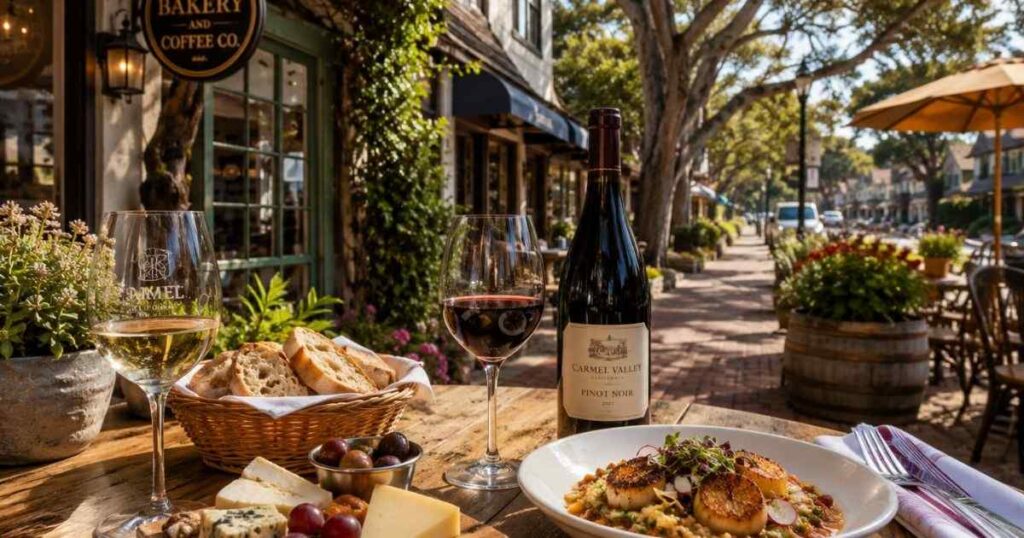
Wine tasting ranks near the top of things to do in Carmel-by-the-Sea for visitors who assume they’d need to drive out to Napa for a proper tasting room. More than a dozen tasting rooms sit within Carmel’s small downtown grid, most pouring wines from Carmel Valley and the Santa Lucia Highlands rather than shipping labels in from elsewhere. Tasting flights typically run $25 to $40 for five pours and several rooms waive the fee with a bottle purchase.
Scheid Vineyards and Talbott Vineyards both operate tasting rooms directly on San Carlos Street, an easy walk from any downtown hotel. For a more local experience, De Tierra Vineyards pours small-production wines that rarely leave the county and staff there tend to spend more time explaining the vineyard sites than upselling merchandise.
Food in Carmel-by-the-Sea splits clearly into two tiers. Restaurants directly on Ocean Avenue charge tourist prices, often $40 or more per entree, while spots one block off the main strip cost noticeably less for comparable quality. Katy’s Place serves breakfast plates for under $18 and opens at 7 a.m. well before most Ocean Avenue restaurants unlock their doors. Mundaka, tucked on Delores Street, serves Spanish tapas starting around $12 per plate and stays open later than most of the town, which shuts down early most nights.
Verdict: Skip the restaurants with ocean-facing patios and walk one block inland, where the food quality holds steady and the prices drop by 30 percent or more, making the food side of things to do in Carmel-by-the-Sea far more affordable than it first appears.
Take a Scenic Drive or Day Trip From Town
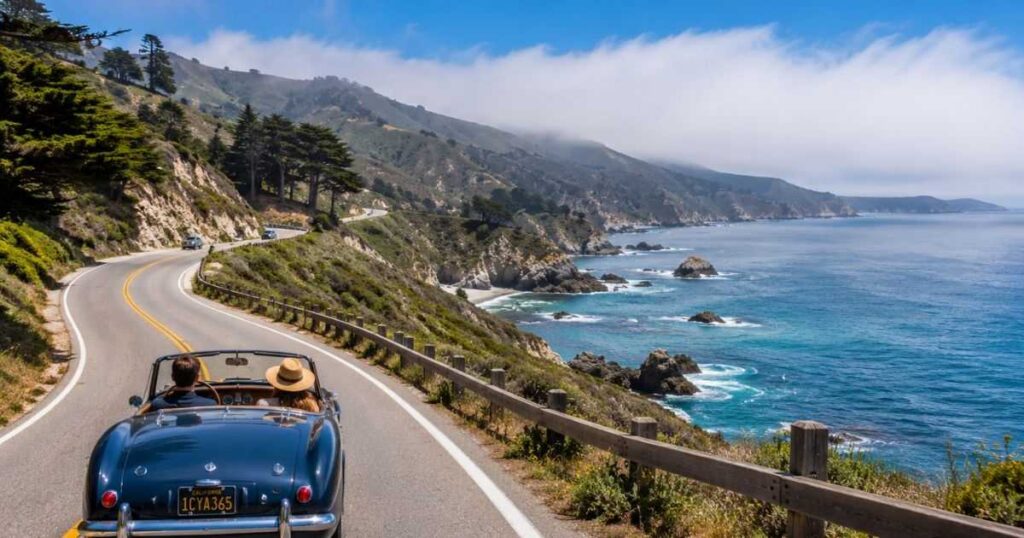
Point Lobos State Natural Reserve sits just 3 miles south of downtown and ranks among the most underrated things to do in Carmel-by-the-Sea, since many visitors never leave the town center to see it. Entry costs $10 per vehicle and the reserve limits total visitors at a time, so arriving before 9:30 a.m. on weekends avoids the wait at the gate. Trails here wind past sea otter colonies and one of only two natural Monterey cypress groves left on Earth. Point Lobos alone justifies ranking day trips among the top things to do in Carmel-by-the-Sea for anyone with a second day to spare.
The 17-Mile Drive connects Carmel-by-the-Sea to Pebble Beach and costs $12.25 per vehicle to enter, with stops at the Lone Cypress and Bird Rock adding maybe 90 minutes total if you pause at each viewpoint. Big Sur’s northern edge, including Bixby Bridge, sits about 13 miles south and takes 25 minutes by car along Highway 1, making it an easy half-day add-on for anyone with a second day in the area.
Monterey itself is 5 miles north, roughly a 12-minute drive and holds the Monterey Bay Aquarium along with Cannery Row’s shops and seafood restaurants. Many visitors base themselves in Monterey for lower hotel prices and drive down for the things to do in Carmel-by-the-Sea during the day, then return at night to save $80 to $150 on average nightly rates.
Pro Tip: Visit Point Lobos before 9 a.m. or after 3 p.m. since the small parking lots fill completely between late morning and early afternoon on weekends.
Practical Tips for Getting Around and Making the Most of Your Visit
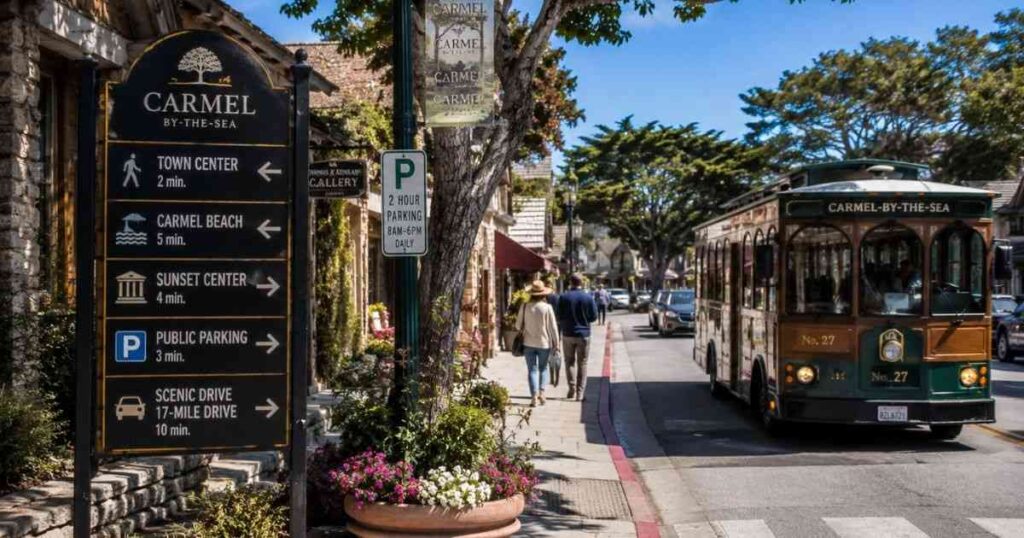
Carmel-by-the-Sea has no street addresses on most buildings, a quirk dating back to a decision made to keep the town from feeling too developed. Locations are described by cross streets instead, so “Dolores between Ocean and 7th” is how directions actually work here. This trips up first-time visitors trying to use a map app for the more obscure things to do in Carmel-by-the-Sea, so screenshotting a list of cross streets before you arrive saves real time.
Parking is free everywhere in town, unlike Monterey or Pacific Grove but spots near Ocean Avenue disappear by 11 a.m. on weekends. Arrive before 10 a.m. or park a few blocks up on Junipero Avenue, where a five-minute walk gets you the same access without circling the block. The town has no traffic lights at all, which keeps the pace slow and makes walking the safest way to get between attractions.
Most restaurants and shops close by 8 or 9 p.m. even on weekends, so plan dinner earlier than you might in a bigger city. Late September through early November tends to bring the clearest, warmest weather of the year, well after the summer fog and before winter rain arrives. That window is the single best stretch for anyone weighing when to fit in the best things to do in Carmel-by-the-Sea without competing for parking or restaurant tables.
Verdict: Treat Carmel-by-the-Sea as a walking town from the start, park once near Junipero Avenue and save the car for day trips down Highway 1.
You may also like:
Frequently Asked Questions
How many days do you need in Carmel-by-the-Sea?
One full day covers the beach, the main gallery district and a wine tasting room but two days lets you add Point Lobos and a scenic drive without rushing. Visitors combining Carmel with Big Sur or Monterey typically plan three days total. Anyone trying to fit in most of the things to do in Carmel-by-the-Sea comfortably should budget at least two full days.
Is Carmel-by-the-Sea worth visiting?
Yes, particularly for travelers who want walkable art galleries, a quiet beach and easy access to Point Lobos and Big Sur without the crowds found in more famous California coastal towns. The town rewards slower travel over rushed day trips. Its small size means even a single well-planned day covers most of the notable things to do in Carmel-by-the-Sea.
What is the best time of year to visit Carmel-by-the-Sea?
Late September through early November brings the clearest skies and warmest afternoons, after summer fog clears and before winter rain sets in. Spring, particularly April and May, offers mild weather with fewer crowds than summer. Summer weekends bring the heaviest foot traffic and the tightest parking, which makes shoulder-season months the easier window for covering the outdoor things to do in Carmel-by-the-Sea without a crowd.
Is Carmel-by-the-Sea expensive for tourists?
Lodging and beachfront dining run high, with hotel rooms frequently above $300 a night and ocean-view restaurant entrees often exceeding $40. Costs drop noticeably one block inland, where meals commonly run $15 to $25 and many of the best things to do in Carmel-by-the-Sea, like beach walks and gallery browsing, cost nothing at all. Wine tasting flights average $25 to $40 per person.
Can you visit Carmel-by-the-Sea as a day trip from Monterey?
Yes, Monterey sits just 5 miles north, about a 12-minute drive, making Carmel-by-the-Sea an easy half-day or full-day trip for anyone staying in Monterey or Pacific Grove. Many travelers base themselves in Monterey for cheaper hotels and drive down for the day to cover the main things to do in Carmel-by-the-Sea before heading back at night. Free parking throughout Carmel makes this pairing simple without added transport costs.
Final Thoughts
Carmel-by-the-Sea rewards visitors who slow down enough to walk its side streets instead of rushing between the beach and a single gallery. The town’s real character lives in the cottage architecture, the quiet stretch of coastal bluff south of the main beach and the tasting rooms that never make it onto a rushed itinerary. Anyone planning the things to do in Carmel-by-the-Sea should build in unstructured walking time rather than a packed schedule. Park near Junipero Avenue, leave the car there and walk down to Carmel Beach at low tide, when the sand stretches wide enough to reach the tide pools near the river mouth.

