
Most travelers don’t realize how quickly everything changes on this route.
Experiencing Banff in fall feels completely different from the crowded summer season. The air turns crisp , the forests glow in gold and the pace slows down across the region , making it easier to connect with the landscapes without the usual rush.
Route Overview and Scenic Drive Layout
Driving through Banff National Park in autumn reveals a network of scenic roads connecting lakes , mountains and quiet valleys. The Bow Valley Parkway and Icefields Parkway are the main routes , offering easy access to iconic stops like Lake Louise and Peyto Lake.
Distances between major viewpoints are manageable , usually within 30–60 minutes. Roads remain open through fall , though weather can shift quickly. Early snow is possible by late October , especially at higher elevations , so checking road conditions before heading out is essential.
What Banff in Fall Really Feels Like
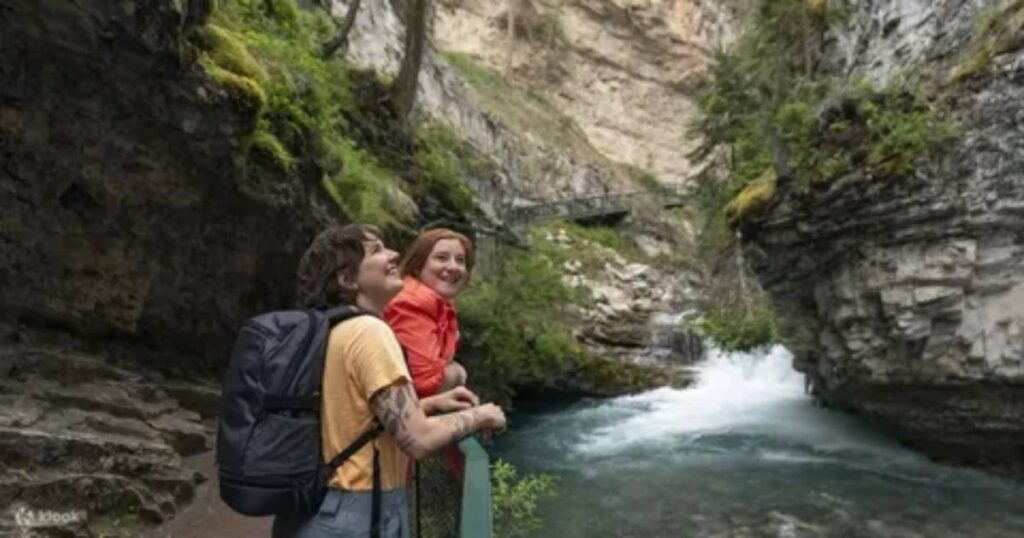
Exploring Banff in fall feels calm compared to peak season. The crowds thin out , parking becomes easier and the trails feel more open. Golden larch trees line the mountains , creating a soft contrast against the rugged peaks and blue lakes.
This is the point where the journey starts to feel different. As you move further into the park , the silence becomes more noticeable. Fewer cars , fewer voices , just the sound of wind and distant water. The shift isn’t dramatic but it creates a deeper connection with the surroundings.
Best Time and Smart Planning Tips
The best time to visit is mid-September to early October when fall colors peak . Early mornings offer the best light for photography and fewer crowds at popular spots like Moraine Lake and Lake Louise .
Most travelers miss this detail before starting the trip. Layered clothing is key. Temperatures can range from chilly mornings to mild afternoons , then drop quickly after sunset. Bring warm layers , check weather forecasts daily and plan flexible itineraries to adjust for sudden changes.
Costs, Access and Travel Logistics
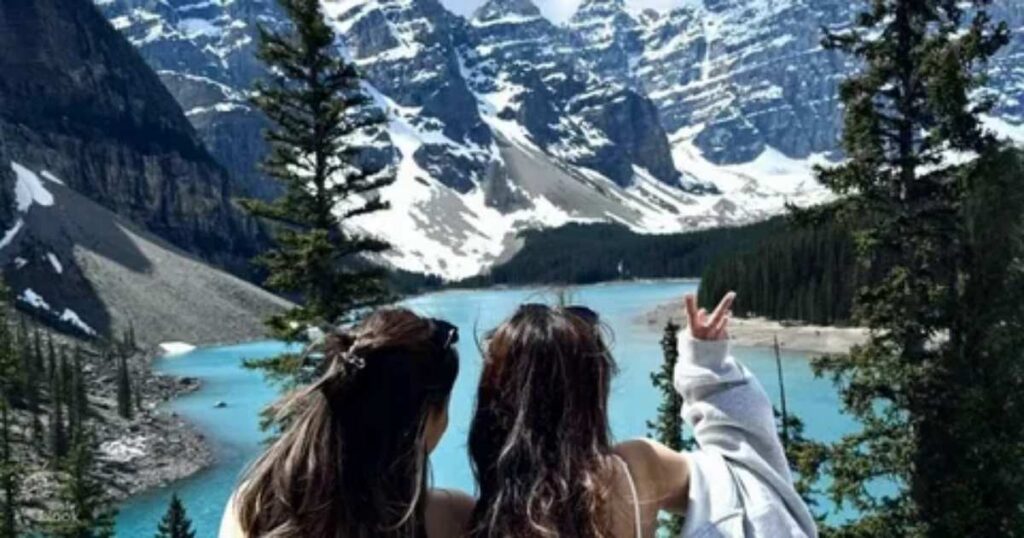
Visiting Banff requires a daily park pass , which typically costs around $10–$20 CAD per person. Accommodation prices drop slightly in fall compared to summer but popular hotels still book out quickly during peak foliage weeks.
Gas stations , restaurants and visitor centers remain open , though some seasonal services start reducing hours by late October. Renting a car is the best way to explore , as public transport options are limited for reaching remote viewpoints and trails.
Hidden Spots and Quiet Experiences
While most visitors head to Lake Louise , quieter locations like Vermilion Lakes and Johnston Canyon offer a more peaceful experience during Banff in fall. These areas provide stunning reflections , gentle walking paths and fewer crowds during fall mornings.
Further away from main roads , smaller trails reveal untouched scenery with golden trees and open landscapes. Some routes don’t end at destinations , they stay with you.
Common Mistakes and How to Avoid Them
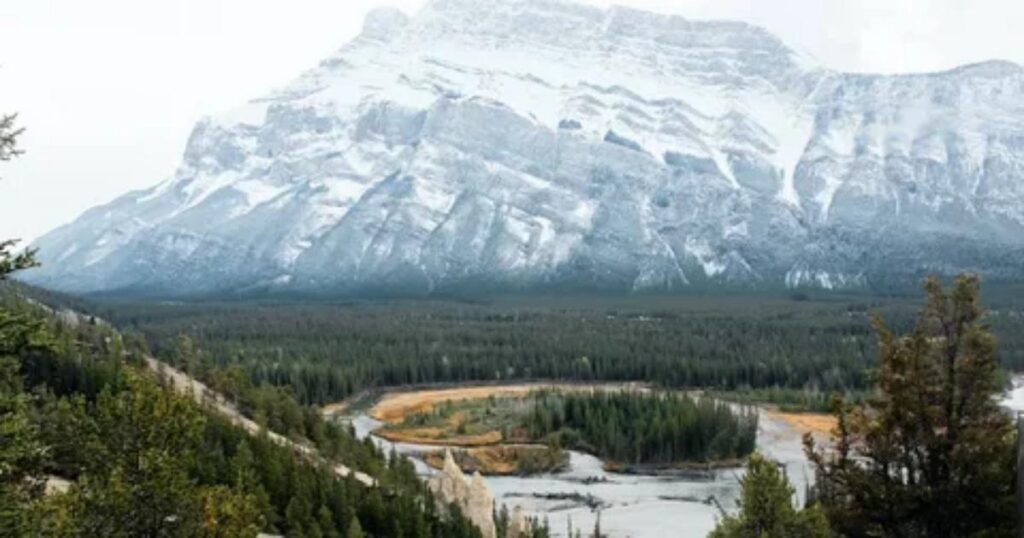
A common mistake is underestimating how quickly weather conditions change . Clear mornings can turn into cloudy or snowy afternoons , especially in higher elevations. Checking forecasts and starting early helps avoid unexpected disruptions.
Another issue is focusing only on famous spots. While they are beautiful , exploring less crowded areas often creates a more memorable experience. Plan a mix of popular and quiet locations to balance your trip .
The Quiet Transformation of the Landscape
There’s a moment in fall when the mountains feel different during Banff in fall. The air becomes still , the colors deepen and everything slows down. It’s not dramatic , it’s subtle but powerful in its own way.
The silence here feels powerful not empty. It creates space to notice small details .The rustling leaves, distant peaks and shifting light. This is not just a road , it is a journey through changing worlds.
You may also like : Unique Things to Do in Kona: Unforgettable Experiences Most Travelers Miss
FAQ’s
When is the best time to see fall colors in Banff?
Mid-September to early October is the best time to see peak fall colors . Larch trees turn bright gold during this period , especially in higher elevation areas like the Icefields Parkway.
Is Banff in fall less crowded than summer?
Yes, Banff in fall is generally less crowded than summer . Popular spots still attract visitors but overall traffic , parking and trail congestion are much easier to manage.
What should I pack for a fall trip to Banff?
Bring layered clothing , a warm jacket , gloves and waterproof shoes. Weather can change quickly , so being prepared for both mild and cold conditions is important.
Are all roads open during fall?
Most main roads remain open but weather conditions can affect accessibility , especially later in the season. Always check updates before heading to higher elevations .
Is fall a good time for hiking in Banff?
Yes , fall is great for hiking due to cooler temperatures and fewer crowds . However , daylight hours are shorter , so plan your hikes early and allow enough time to return safely.
Conclusion
Experiencing Banff in fall offers a quieter , more balanced way to explore one of Canada’s most iconic destinations. The mix of golden landscapes , cool air and fewer crowds creates a travel experience that feels both peaceful and memorable.
If you’re planning a trip , prepare early , travel smart and book ahead especially during peak foliage weeks. Take your time , explore beyond the usual stops and let the journey unfold naturally.

