
What nobody tells you about this drive is how dramatic it becomes…
Visiting Banff in January feels completely different from summer travel. Snow-covered peaks , frozen lakes and quiet roads reshape the entire experience. Planning ahead becomes essential , especially when dealing with winter conditions , shorter daylight hours and remote mountain routes.
Winter Routes and Getting Around Banff
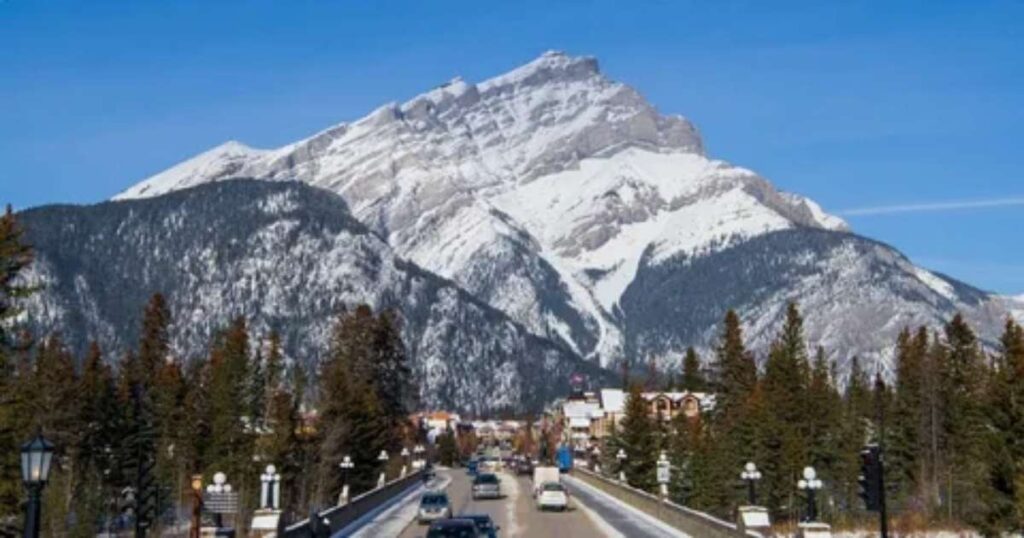
Driving into Banff National Park from Calgary takes about 1.5 hours via the Trans Canada Highway. Roads are well maintained but often covered in snow or ice , especially early mornings and late evenings .
Routes like the Bow Valley Parkway offer scenic alternatives , though conditions can vary. Winter tires are strongly recommended and visibility can change quickly due to snowfall. Despite this , the journey remains manageable with proper preparation and cautious driving.
What the Experience Feels Like in January
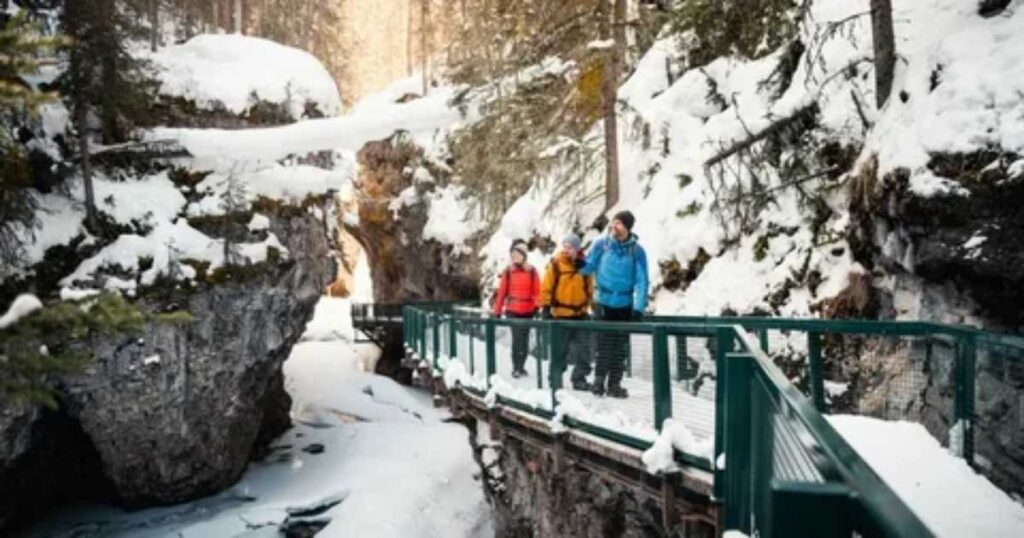
Exploring Banff in winter feels calm and immersive. Snow blankets the landscape , softening sounds and creating a quieter environment compared to peak summer months. Popular spots like Lake Louise transform into frozen expanses surrounded by towering peaks .
This is the point where the journey starts to feel different. Walking across frozen lakes or through snow-covered trails brings a sense of stillness that’s hard to find elsewhere. Activities like ice skating , snowshoeing or simply standing in the cold air add depth to the experience.
Planning Your Trip for Banff in January
When organizing Banff in January , timing becomes critical. Daylight lasts roughly 8 hours , so starting early helps you cover more locations. Weather can shift quickly , so flexible planning allows you to adjust based on conditions.
Most travelers miss this detail before starting the trip. Booking accommodations and activities in advance is essential , even in winter. Popular spots like Lake Louise and Moraine Lake (access limited in winter) require careful scheduling to avoid disappointment.
Costs, Transport and Winter Logistics
Travel costs in January can vary. While some hotels offer off-season rates , winter activities like guided tours or equipment rentals add to the budget. Expect to pay for essentials like winter gear if you don’t bring your own.
Transportation options include rental cars , shuttle services and guided tours. Driving gives more flexibility but winter conditions require confidence behind the wheel. Public transport is limited , especially when reaching remote viewpoints or trails.
Hidden Winter Gems Beyond the Main Spots
While Lake Louise attracts most visitors , quieter locations like Johnston Canyon offer unique winter experiences. Frozen waterfalls create natural ice formations , making the walk both scenic and memorable.
Other areas like Two Jack Lake provide peaceful surroundings with fewer crowds. These hidden gems allow you to experience the landscape without the busier atmosphere found at major attractions .
Mistakes to Avoid When Visiting Banff in January
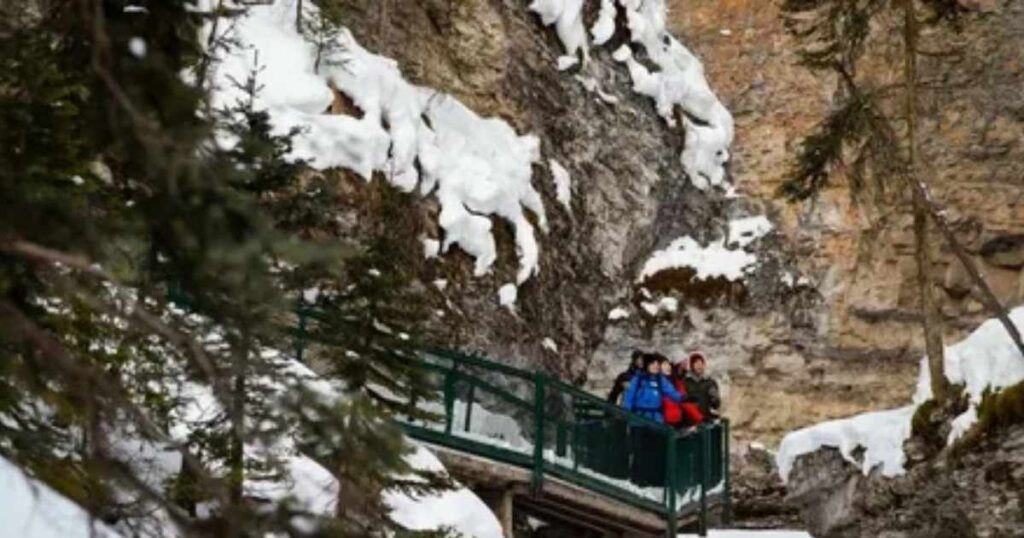
One of the biggest mistakes when planning Banff in January is underestimating the cold . Temperatures often drop below -15°C and wind chill can make it feel even colder , especially near open lakes and mountain viewpoints.
Another mistake is overplanning daily activities. Some routes don’t end at destinations , they stay with you. Winter travel can be slower due to weather and road conditions , so leaving extra time ensures a more relaxed experience.
The Stillness of Winter Landscapes
There’s a unique quietness that defines Banff in winter. Snow absorbs sound , creating an environment where even small movements feel amplified. The silence here feels powerful not empty.
Standing in these landscapes , you notice subtle details , the crunch of snow underfoot , the sharpness of cold air and the vastness of surrounding peaks. It’s not just a destination. It’s a transformation shaped by nature and season.
You may also like : Kona Tours for Seniors | Comfortable & Accessible Big Island Experiences
FAQ’s
Is Banff worth visiting in January?
Yes , January offers a quieter and more scenic experience with snow-covered landscapes and fewer crowds. It’s ideal for winter activities like skiing , ice skating and exploring frozen lakes.
How cold does Banff get in January?
Temperatures often range from -5°C to -20°C , with colder days possible. Proper winter clothing is essential to stay comfortable while exploring outdoor areas .
What are the best things to do in Banff in January ?
The Banff in January experience includes ice skating on frozen lakes , snowshoeing , visiting Johnston Canyon and enjoying scenic drives through snow-covered valleys .
Do I need a car in Banff during winter ?
A car provides flexibility but winter driving requires caution. Shuttle services and guided tours are good alternatives if you’re not comfortable driving in snow conditions .
Are attractions open in Banff during January?
Yes , most attractions remain open , though some areas like Moraine Lake may have limited access. Winter-specific activities often replace summer options.
CONCLUSION
Banff in winter offers a completely different perspective compared to warmer months . Snow transforms the landscape , creating quieter and more immersive experiences that feel far removed from everyday travel.
Exploring Banff in January becomes more rewarding when you prepare for the conditions and stay flexible with your plans . Take time to enjoy the stillness , plan early , travel smart and book ahead for a smooth and memorable trip.

