
What nobody tells you about this drive is how dramatic it becomes.
The sf to la road trip might look like a simple drive on the map but the experience shifts with every mile. Between ocean cliffs , winding highways and small coastal towns. It’s a journey where planning matters just as much as the destination.
Route Overview from San Francisco to Los Angeles
The classic route starts in San Francisco and follows Highway 1 down the coast to Los Angeles . This stretch covers roughly 450 miles and typically takes 8 to 10 hours without stops , though most travelers stretch it into two or three days.
Along the way , you’ll pass through iconic spots like Big Sur , Monterey and Santa Barbara. Road conditions vary from smooth highways to narrow cliffside curves , so expect slower driving speeds , especially south of Big Sur where scenic viewpoints demand frequent stops.
What the Drive Actually Feels Like
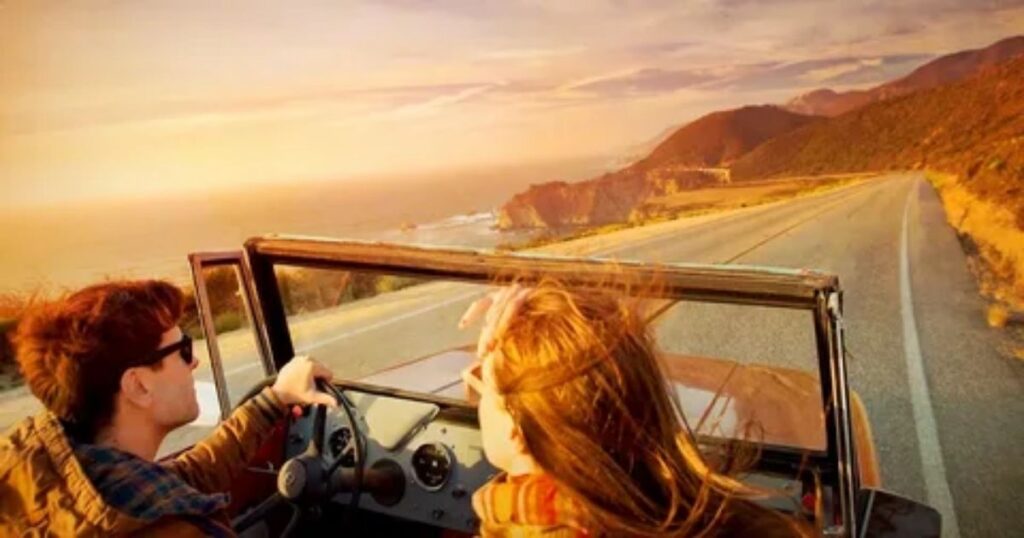
Leaving San Francisco , the road quickly transitions from city traffic to open coastal views. The air changes , the temperature softens and the Pacific Ocean becomes your constant companion. Every curve reveals a different perspective , rocky cliffs , crashing waves and quiet beaches.
This is the point where the journey starts to feel different. As you approach Big Sur , the road tightens and climbs. You’re no longer just driving. You’re navigating one of the most visually striking coastal routes in the United States , where every turn invites you to slow down and take it in.
Planning the Perfect SF to LA Road Trip
Planning your sf to la road trip depends on how much time you have . A two-day trip works but three days allows for a more relaxed pace with overnight stops in Monterey or San Luis Obispo. Booking accommodations early is important , especially during peak summer months.
Most travelers miss this detail before starting the trip. Check road conditions on Highway 1 , as landslides or closures can occasionally force detours inland. Fuel stations are limited in certain stretches , particularly around Big Sur , so filling up in advance avoids unnecessary stress during long scenic drives.
Budget, Fuel and Driving Logistics
Fuel costs in California tend to be higher than the national average , so budgeting for gas is essential . A full sf to la road trip typically requires 2–3 fuel stops depending on your vehicle , especially if you stick to coastal routes rather than faster inland highways like Interstate 5.
Parking fees , park entry costs and occasional overnight stays can add up. However , there are also free scenic pullouts and public beaches along the way. This balance allows you to control spending while still enjoying some of the best views California has to offer .
Hidden Stops Worth Pulling Over For
While major destinations get attention , smaller stops often create the most memorable moments. Places like Bixby Creek Bridge and McWay Falls offer quick but unforgettable photo opportunities .
Further south , quiet beach towns like Pismo Beach provide a slower pace. Local cafés , empty shorelines and golden sunsets turn short breaks into meaningful experiences that go beyond the usual checklist of tourist attractions.
Common Mistakes to Avoid on This Route
Many travelers underestimate how long the drive actually takes . While maps suggest a straightforward route , traffic leaving San Francisco and entering Los Angeles can add hours. Starting early helps you avoid congestion and gives more daylight for scenic stops.
Another mistake is rushing the journey. Some routes don’t end at destinations , they stay with you. Treat the drive itself as the highlight not just a way to get between cities. Slowing down makes the experience far more rewarding and less stressful overall.
You may also like : Unique Things to Do in Kona: Unforgettable Experiences Most Travelers Miss
FAQ’s
How long does the SF to LA road trip take?
The drive usually takes 8 to 10 hours without stops but most travelers spread it over two or three days. Coastal routes like Highway 1 are slower but far more scenic than inland highways .
Is Highway 1 always open for the trip?
Not always. Landslides and road repairs can cause closures , especially near Big Sur. It’s important to check current road conditions before starting your journey .
What is the best time to do this road trip?
Spring and fall offer the best conditions with mild weather and fewer crowds. Summer is popular but can be busy , while winter may bring rain and occasional road disruptions .
Do I need to book hotels in advance?
Yes , especially during peak travel seasons. Coastal towns have limited accommodations and prices can rise quickly if you wait until the last minute .
Is the SF to LA road trip suitable for beginners?
Yes but it requires careful planning. The sf to la road trip includes winding coastal roads , so drivers should stay alert and comfortable with slower , scenic driving conditions.
CONCLUSION
The sf to la road trip is more than just a drive between two cities . It’s a journey shaped by landscapes , timing and the choices you make along the way. From coastal cliffs to quiet beach towns , every stop adds something unique to the experience.
Take your time , plan your route carefully and embrace the slower pace. When you prepare well and stay flexible , the journey becomes just as memorable as the destination. Plan early , travel smart and book ahead to make the most of every mile.

