
Most travelers don’t realize how quickly everything changes once you step onto a working coffee farm…
The best coffee tours in Costa Rica aren’t just about tasting rich brews. They take you deep into mountain roads , volcanic soil and small communities where coffee shapes everyday life. From the Central Valley to cloud forests , each region tells a different story and choosing the right tour can completely change your experience.
Coffee Regions and Routes Across Costa Rica
Most coffee tours begin around the Central Valley , especially near San José , where farms sit within 30–60 minutes of the city. Areas like Heredia Province and Alajuela Province are easy to reach by paved roads , making them perfect for half-day trips.
If you head farther , regions like Monteverde and Turrialba offer deeper experiences. Roads become narrower and more scenic , often winding through hills and forest patches. Travel times range from 2 to 4 hours but the landscapes make the journey worthwhile.
What the Coffee Tour Experience Feels Like
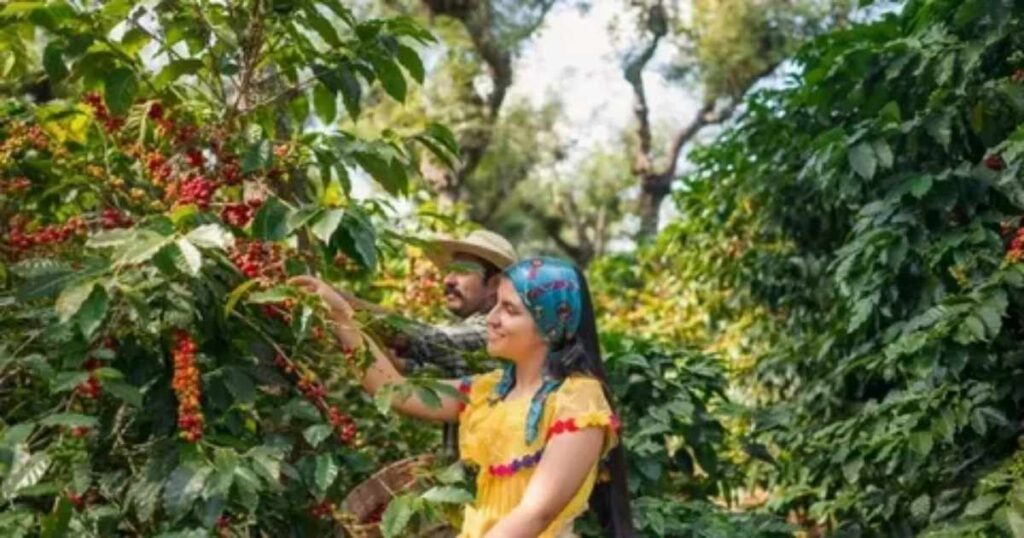
Walking through a coffee plantation early in the morning feels different from any typical tour . The air is slightly cool , mixed with earthy humidity and the scent of ripe cherries fills the space. Guides usually explain the process step by step , from planting to roasting , often in small groups.
This is the point where the journey starts to feel different. You’re not just observing you’re picking beans , touching the soil and tasting fresh brews right where they’re made. The experience becomes interactive especially in family-owned farms where stories feel personal and deeply rooted in tradition .
Planning the Best Coffee Tours in Costa Rica
The best coffee tours in Costa Rica are easiest to plan during the dry season , from December to April. Roads are clearer and tours run consistently. Morning slots are ideal since farms are more active and temperatures remain comfortable for walking through plantations.
Most travelers miss this detail before starting the trip. Booking directly through farm websites or local operators often gives better time slots and smaller group sizes . If you’re staying near La Fortuna or Monteverde , plan for early departures since distances can stretch beyond 3 hours.
Costs, Transport and Practical Logistics
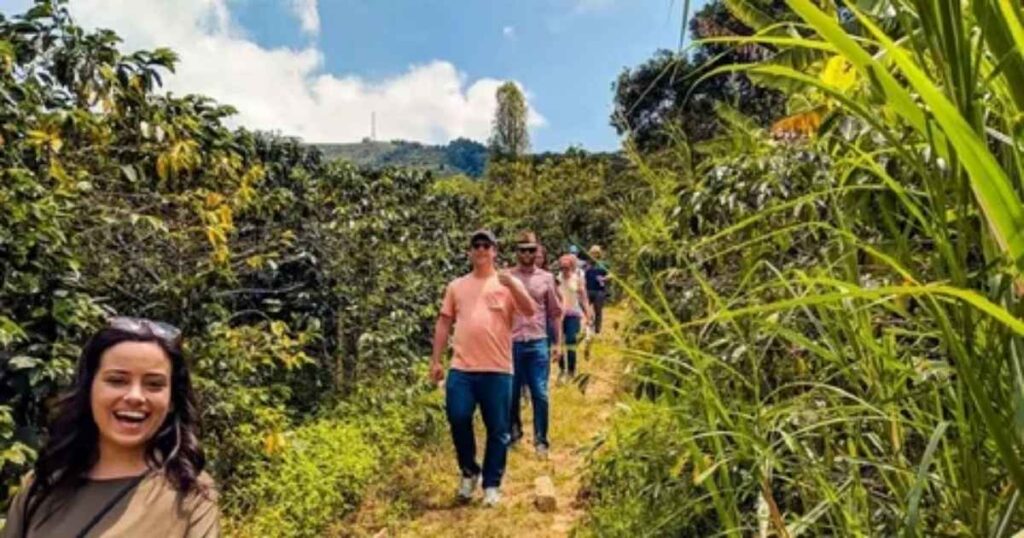
Coffee tours typically cost between $25 and $70 per person , depending on location and depth of experience. Tours near San José are cheaper and shorter , while remote regions like Monteverde often include extended walks , tastings and transportation options.
Public buses connect major towns but reaching farms usually requires a taxi or rental car. Driving gives flexibility , especially on rural roads where signage can be limited. Expect gravel sections in higher elevations , particularly in less commercial coffee regions.
Hidden Coffee Farm Gems Worth Exploring
Beyond popular tours , smaller farms in regions like Naranjo and San Ramón offer quieter , more authentic experiences. These places don’t always appear in travel guides , yet they often provide deeper insights into traditional farming methods.
Some tours include home-cooked meals or visits to micro-roasting facilities , adding another layer to the experience. These hidden spots feel less structured , giving you time to ask questions and connect directly with farmers who’ve been working the land for generations.
The Quiet Beauty of Coffee Landscapes
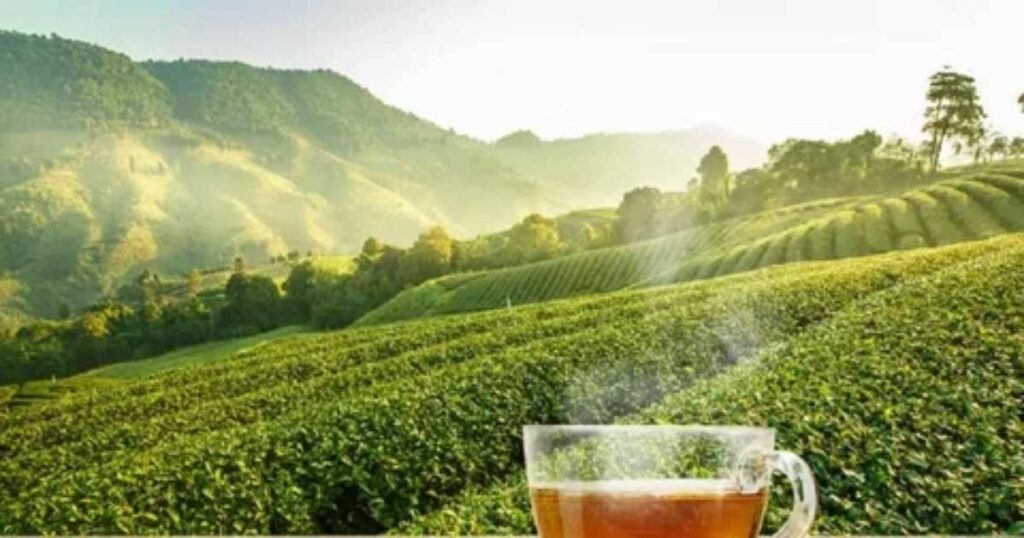
There’s a calm rhythm to coffee farms that’s hard to explain until you experience it , especially during the best coffee tours in Costa Rica. Rows of plants stretch across hills and the only sounds come from wind , distant birds and occasional footsteps on soil. The silence here feels powerful not empty.
Moments like these slow everything down . You start noticing details , the texture of leaves , the weight of ripe cherries , the warmth of fresh coffee in your hands. It’s not just about taste. It’s about understanding how deeply coffee is tied to the land and culture .
You may also like : Pelican Kayak Mustang 100X Review : Specs, Performance, Pros & Cons
FAQ’s
What is the best time to visit coffee farms in Costa Rica?
The dry season from December to April offers the most reliable weather. However , visiting during harvest season (November to March) gives a more hands-on experience , including picking and processing coffee cherries.
Are coffee tours suitable for families with kids?
Yes , many farms welcome families and offer interactive activities. Shorter tours near San José are especially good for kids , as they involve less walking and more engaging demonstrations .
Do I need a car to visit coffee farms?
Not always. Tours near major cities offer transport options. However , for remote regions like Monteverde or Naranjo , renting a car provides more flexibility and saves time.
How long do coffee tours usually last?
Most tours last between 2 to 4 hours . Some extended experiences in rural areas can take half a day , especially if they include meals or multiple processing stages.
What makes the best coffee tours in Costa Rica unique?
The best coffee tours in Costa Rica combine education , hands-on activities and scenic landscapes. They go beyond tasting by showing the full journey from bean to cup , often guided by locals with deep farming knowledge .
CONCLUSION
Exploring coffee farms across Costa Rica brings you closer to the country’s culture , landscapes and daily life. From the accessible Central Valley to remote mountain regions , each route offers something different , shaped by altitude , climate and tradition.
Choosing the best coffee tours in Costa Rica comes down to planning smart and knowing what kind of experience you want . Take time to research , book early and allow space in your itinerary because the best moments often happen when you’re not rushing.

